
Gas Lines Repair and Installation
Repair and installation of Gas Lines: What You Should Know
Over the years, gas has become a necessity for many people all over the world and we use it for literally everything. This type of fuel generates electricity which helps in heating up buildings, cooking meals, and powers up machines. Although gas can be used to power a variety of things, most people don't give much concern on what transports it safely to our homes--- the gas lines.
It is important you make sure that your gas lines are safe and maintained. When ignored, natural gas could be extremely harmful not only for you but including your family! Leaks can cause a disaster. In order to avoid these problems from ever occurring, it's essential that you know how your gas heating system operates.
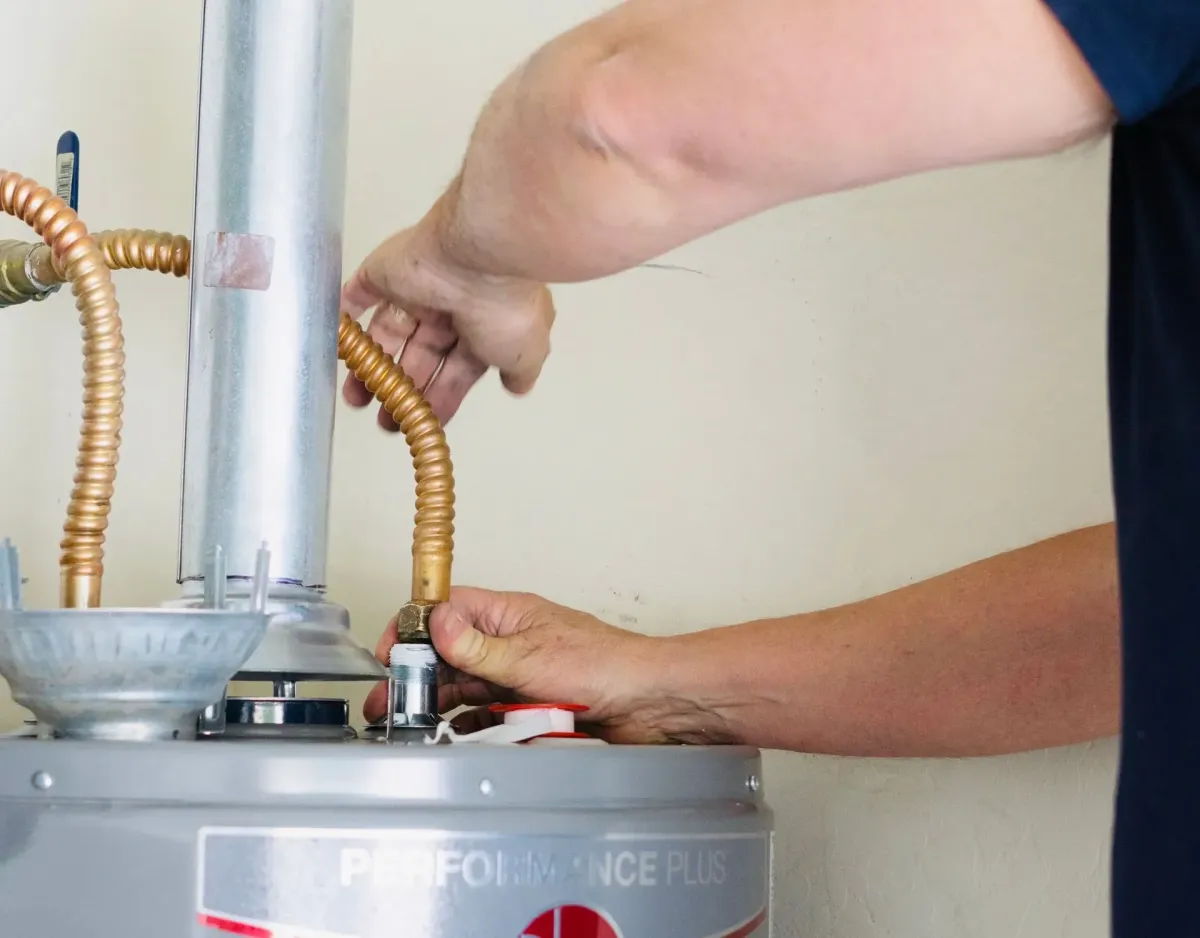
What is a Gas line?
A Gas line also called “gas piping” are pipes that carry natural gas into your house. The system consists of branch lines that are connected to specific appliances in your home.
What are the piping materials used for Gas Lines
Corrugated Stainless Steel Tubing
If you’re looking for an adaptable and easy to install type of pipe, this can be a good choice. This type works well in places where there is a significant risk of natural disasters and It is best to use this material indoors only because there is a high fire risk during a lightning storm when not properly grounded.Galvanized Steel
If you prefer a strong and energy-efficient type, this one is perfect for your house and for water supply lines. This is frequently used for interior and exterior gas lines.Black Iron
This type is the most popular material for gas pipes, internally and externally. This type of material is strong and heat-resistant.PVC
These types of pipes are sturdy and corrosion - resistant, making them ideal for underground outside gas lines. Although this kind of piping is a strong and cheap choice, You should note that this isn't suitable for all climates since it is more prone than other piping kinds to break during installation and some places won't let you use them.HDPE
These pipes are excellent for underground external lines, just as PVC pipes. These plastic pipes are comparable to PVC piping in that they are flexible, much cheaper than other piping types, and frequently used for outdoor lines.Copper
Copper piping is becoming less popular; in fact, many towns and counties forbid it. Also note that these pipes have severe compliance standards that limit their usage which can be a bad option for you.
How Do Gas Line Systems Work?
Pressure is essential to deliver natural gas through gas piping systems high to low. The natural gas flows via a highway-like network of pipes before entering distribution systems which deliver the gas to your home. The service line, which belongs to the natural gas company, is where gas travels, from the mainline into a residence or other building.
Gas Line Installation
Depending on how complicated the installation is, gas pipe expenses might vary. These costs include labor, supplies, piping, and permits which you should always consider.
Problem with Gas Lines
If you are living with your family, fires, explosions, and poor air quality which is a result of gas piping issues can be extremely terrifying for you! To avoid these, consider hiring an expert to evaluate your heating system and these are the signs of problem with your gas lines that you should look out for:
Leaks
Faulty connections
Rusting
Hissing noise
Rotten egg odor
Rising energy costs
What Should You Do if You Think Your Gas Line has a Problem
If you suspect an interior gas leak, It is crucial to have an expert inspect your pipes to find the problem immediately.You need to notify the gas company right away and vacate your house when you notice any of the gas leak signs listed above. They will perform a pressure test to see whether there is a leak. Also, make sure that the gas plumbers you hire have the necessary licenses before allowing them to operate on or install your gas lines.
Tips for Installing Gas Pipes Safely
Professionals must operate gas pipes.
Make sure all gas mains are shut off.
Make sure to put barricades near the excavations to prevent someone from unintentionally falling in.
Conclusion
Your safety and the safety of the other residents near you depend heavily on the gas infrastructure and the quality of your gas piping system.For your safety and comfort, it is important that you make sure the contractor that you hire is knowledgeable and utilizing the appropriate type of gas pipes before letting them install your gas lines inside your home. In need of experts in Gas line repair or installation? Call us today!
INFORMATION
176 Rectory St, London, ON N5Z 2A5, Canada
Monday - Friday: 08:00 AM - 04:30 PM
24-hour emergency heat service
Follow us on Facebook
BROWSE OUR WEBSITE
SERVICES
PRODUCTS
EMERGENCY SERVICE
After 4:30 PM Monday to Friday and all day during weekends please call our